

What Is Gochujang? A Clear Explanation of Gochujang and Gochujang Sauce
Introduction
Gochujang is such a familiar ingredient to Koreans that it can actually be difficult to explain. However, outside Korea, it is often divided into terms like “gochujang paste” and “gochujang sauce”, which can be confusing.

From a Korean perspective, the difference is actually very simple. In this article, we explain gochujang based on how Koreans understand it, and clarify why these terms are used differently overseas.
What Is Gochujang? (Korean Perspective)
In Korea, there is only one kind of gochujang.
It is a traditional fermented chili paste made from glutinous rice, red chili powder, fermented soybeans, and salt. This is the gochujang Koreans have always known.

- In Korea, gochujang = a basic fermented paste
- There is no paste vs sauce distinction
Only when explaining in English do we use the term: Gochujang (Korean fermented chili paste)
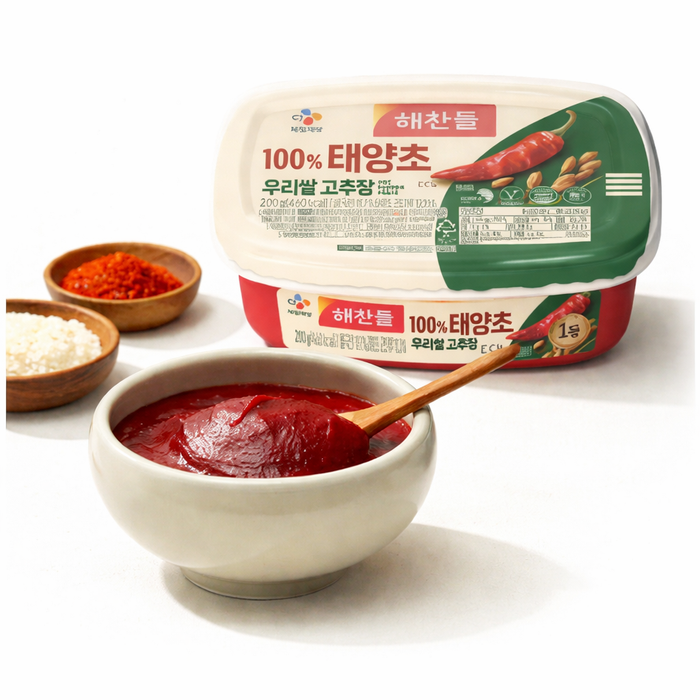
Why Is It Called “Gochujang Paste” Overseas?
For many international consumers, gochujang is completely new.
- It is much thicker than typical sauces
- It does not look ready to squeeze and use
- Its cooking method may be unfamiliar
To clarify that gochujang is a cooking ingredient rather than a finished sauce, the term gochujang paste is commonly used.
From a Korean point of view: “gochujang paste” simply means gochujang.
Then What Is “Gochujang Sauce”?

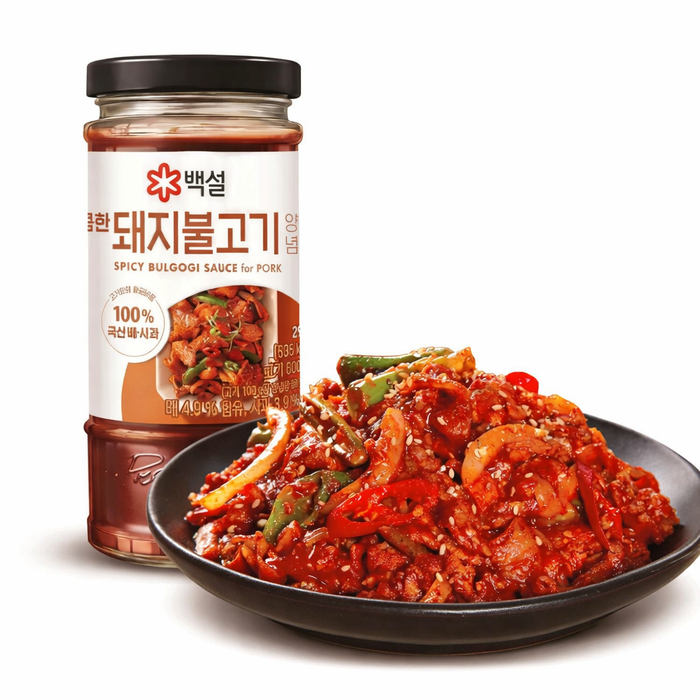
Gochujang sauce is not a traditional Korean paste. It refers to products where gochujang is pre-mixed with other ingredients to make it ready to use.
- Gochujang + soy sauce
- Gochujang + sugar or syrup
- Gochujang + vinegar and oil
In Korea, this would usually be described as “a gochujang-based seasoning,” not a separate category of fermented paste.
Simple Summary (Korean Perspective)
| Overseas Term | Meaning in Korea |
|---|---|
| Gochujang paste | Traditional Korean gochujang |
| Gochujang sauce | Gochujang mixed into a ready-made seasoning |
This distinction exists mainly for explanation and marketing, not because there are multiple traditional types of gochujang.
How Should You Use Gochujang?

Traditional Gochujang
- Bibimbap
- Tteokbokki
- Spicy pork stir-fry
- Stews and stir-fried dishes
Allows full control over seasoning and flavor.
Gochujang Sauce
- Chicken glaze
- Rice bowls
- Dipping sauces
- Fusion recipes mixed with mayonnaise
Convenient, but with less flexibility in flavor.
Where to Buy Authentic Gochujang in New Zealand
At AsianFood.nz, you can find a curated range of authentic Korean gochujang, made using traditional methods and available for local delivery in New Zealand.
👉 Browse Korean Gochujang Products
Final Thoughts
For Koreans, gochujang has always been one paste. Overseas, different terms are used simply to help people understand how to use it.
Gochujang paste = traditional gochujang
Gochujang sauce = a ready-to-use seasoning made from gochujang
Remembering this makes everything much clearer.
Comments
Leave a comment